Blog
Oil and Milk Filling Machine price
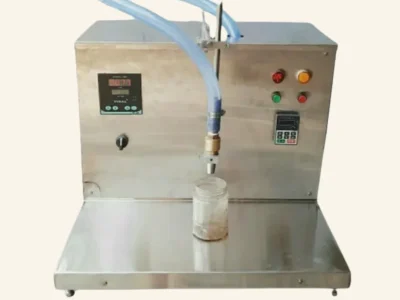
In today’s fast-growing food and beverage industry, automation plays a crucial role in ensuring speed, accuracy, and hygiene. An Oil and Milk Filling Machine is an essential piece of equipment for manufacturers who want to package liquid products efficiently while maintaining high-quality standards. From edible oils to dairy milk, this machine helps businesses scale operations and reduce wastage.
What is an oil and milk filling machine?
A filler is a specialized industrial machine designed to accurately fill liquid products like cooking oil, milk, ghee, cream, and other similar fluids into bottles, pouches, or containers. These machines are engineered to handle different viscosities, ensuring precise filling without spillage or contamination.
Whether you operate a small dairy plant or a large oil manufacturing unit, it helps maintain consistency and boosts production capacity.
How an Oil and Milk Filling Machine Works price
The working principle of an inverter is simple yet highly efficient. The machine uses gravity filling, piston filling, or volumetric filling technology, depending on the product type. Milk, being a low-viscosity liquid, flows smoothly, while oil requires controlled filling to prevent dripping.
Sensors, nozzles, and automated controls ensure that each container receives the exact quantity, making the Oil and Milk Filling Machine reliable and precise.
Types of Oil and Milk Filling Machine Available in the Market Price
There are multiple types of options available to suit different production needs:
- Automatic Oil and Milk Filling Machine – Ideal for large-scale industries
- Semi-Automatic Oil and Milk Filling Machine – Suitable for medium-scale operations
- Manual Oil and Milk Filling Machine – Best for small businesses and startups
Each type offers flexibility depending on budget, output requirements, and operational scale.
Key Features of an Oil and Milk Filling Machine
A high-quality one comes equipped with advanced features that improve productivity and hygiene. These include stainless steel construction, adjustable filling volumes, drip-free nozzles, and PLC-based control systems.
The hygienic design of a container ensures compliance with food safety standards, making it safe for milk and edible oil packaging.
Benefits of Using an Oil Filling Machine
Using offers several advantages to manufacturers. It reduces manual labor, minimizes product wastage, and increases filling speed. Automation ensures uniform packaging, which improves brand image and customer trust.
Additionally, it helps businesses meet increasing market demand without compromising on quality.
Applications of Oil Filling Machine in Different Industries
It is widely used across multiple industries. In the dairy industry, it is used for packaging milk, flavored milk, and cream. In the edible oil industry, it efficiently fills sunflower oil, soybean oil, mustard oil, and more.
Apart from these, it is also used in food processing plants, FMCG units, and beverage industries.
Choosing the Right Oil Filling Machine for Your Business
Selecting the right one depends on several factors, such as production capacity, container size, type of liquid, and budget. Businesses should evaluate whether they need a fully automatic or semi-automatic based on daily output.
Proper consultation with manufacturers ensures you invest in a product that aligns with your operational goals.
Maintenance and Safety of Oil Filling Machines
Regular maintenance is essential to ensure long-term performance. Cleaning the nozzles, checking seals, and calibrating sensors help maintain accuracy and hygiene.
A well-maintained machine not only extends equipment life but also ensures safe and contamination-free packaging.
Cost and ROI of Oil Filling Machine
The cost of a varies depending on its automation level and capacity. While the initial investment may seem high, the long-term return on investment is significant due to reduced labor costs and increased productivity.
For growing businesses, a quick payback quickly pays for itself by improving efficiency and output.
Future Trends in Oil Filling Machine Technology
With advancements in automation and smart manufacturing, the is evolving rapidly. Features like IoT integration, remote monitoring, and energy-efficient systems are becoming standard.
These innovations make the Oil and Milk Filling Machine more intelligent, reliable, and suitable for Industry 4.0 environments.
Conclusion
In conclusion, it is a vital investment for businesses involved in liquid packaging. It ensures accuracy, hygiene, and scalability while reducing operational costs. From small startups to large manufacturing plants, adopting the right can transform production efficiency and business growth.